


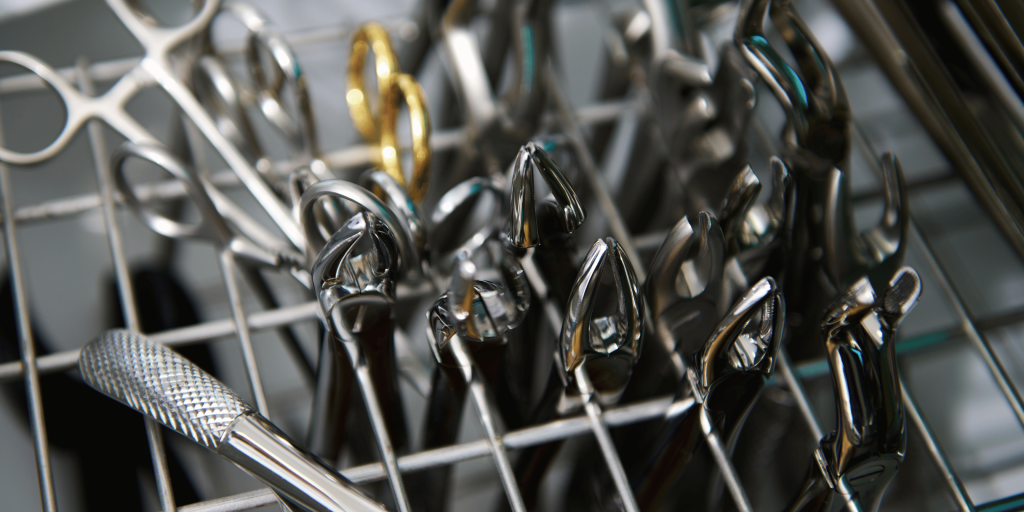
Autoclaves are used to sterilise equipment and materials by subjecting them to high-pressure saturated steam at 121°C or more. This process is vital for eliminating bacteria, viruses, and other microorganisms. However, improper use can result in severe injuries, equipment damage, and compromised sterilisation.
Key Safety Guidelines for Using Autoclaves
Training and Authorization:
Only trained and authorised personnel should operate autoclaves. Ensure you have completed the necessary training and understand the specific autoclave model in your lab.
Personal Protective Equipment (PPE):
Always wear appropriate PPE, including heat-resistant gloves, a lab coat, and safety goggles. Autoclaves operate at high temperatures, and PPE is essential for preventing burns and scalds.
Loading the Autoclave:
- Load items loosely to allow steam to circulate effectively.
- Do not overload the chamber. Overloading can prevent proper steam penetration, leading to incomplete sterilisation.
- Ensure that containers are vented to avoid pressure build up, which can cause explosions.
Material Compatibility:
Not all materials are suitable for autoclaving. Verify that the items you intend to sterilise are autoclavable. Common materials that can be autoclaved include stainless steel, certain plastics, and heat-resistant glass. Avoid autoclaving items made from non-heat-resistant plastics, volatile chemicals, or flammable materials.
Operation Procedures:
- Select the appropriate cycle for the load type—gravity cycle for non-liquid materials and liquid cycle for liquids to prevent superheating.
- Do not attempt to open the autoclave door until the pressure gauge reads zero and the temperature is safe.
- Before starting, check the autoclave’s water level and ensure it’s sufficient for the cycle.
Post-Cycle Handling:
- Wait for the load to cool down before removing it. Use heat-resistant gloves when handling hot items.
- Be cautious of superheated liquids that can boil over when moved. Allow them to cool in the autoclave if possible.
Routine Maintenance:
- Regular maintenance is crucial for safe autoclave operation. Ensure that the autoclave is inspected and serviced according to the manufacturer’s recommendations.
- Report any malfunctions or irregularities immediately to the lab supervisor.
Emergency Procedures In Case of an Accident:
- If a burn or injury occurs, immediately seek medical attention and report the incident to the safety officer.
- In the event of a suspected autoclave malfunction, stop using the equipment and notify the appropriate personnel.
Continuous Improvement
At DH Lab, safety is our top priority. We encourage all staff to regularly review safety procedures and stay updated on best practices. For further information on autoclave safety, please Contact Us for Consultation and Business Solution Enquiry (dhlab.com)